
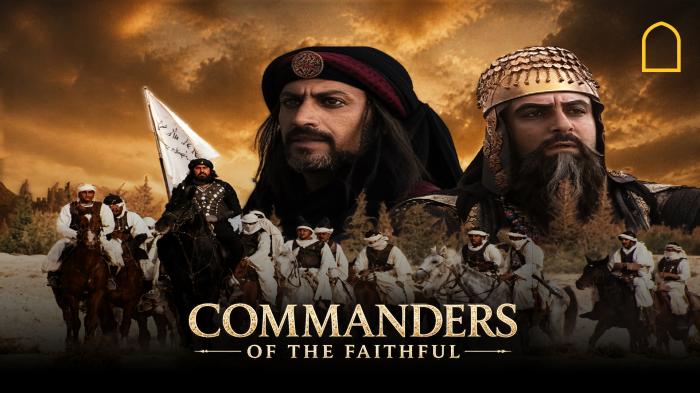
Commanders of the Faithful
1
Season
•
26
Episodes
Read More
Read Less
Donate
Please donate here Donating Monthly or One Off.
Episodes
Related
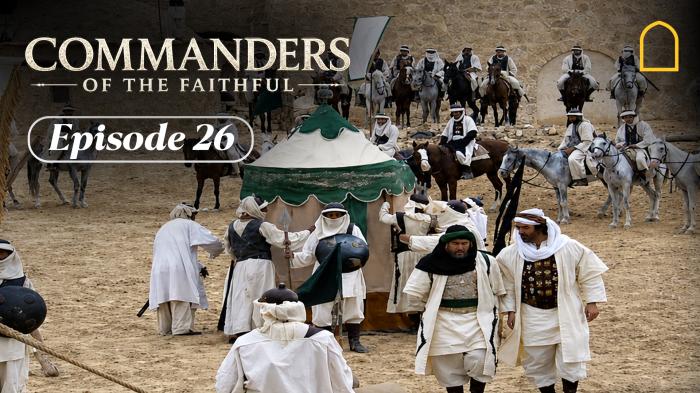
Internal Challenges
15m
Managing scale, diversity, and security tests the limits of the expanding state.
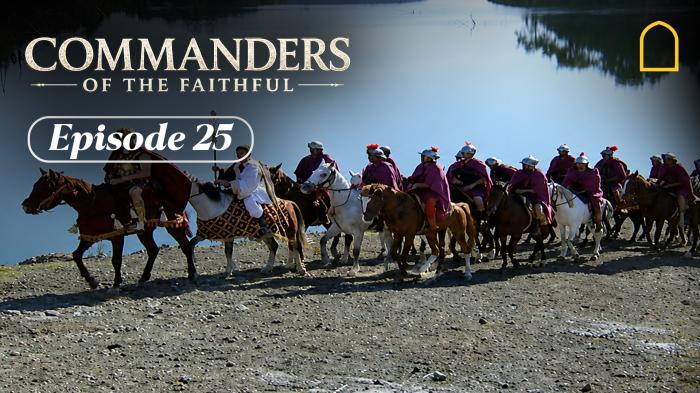
A Vast Realm
11m
The caliphate now stretches from Egypt to Persia, linking diverse peoples under unified administration.
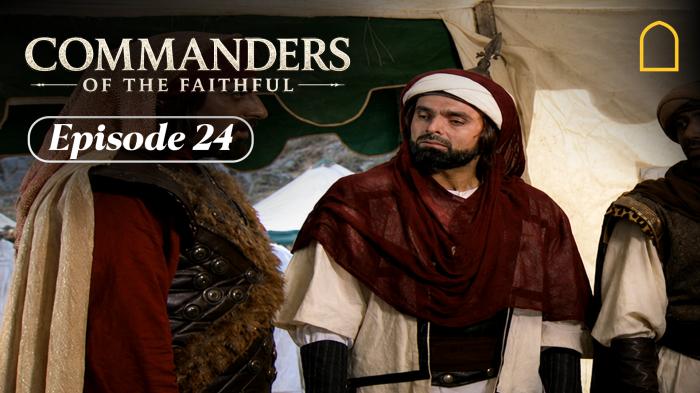
Social Policies
6m
Welfare systems address the needs of soldiers, families, and the poor throughout the caliphate.
Oversight and Accountability
6m
Governors are closely monitored to reduce corruption and maintain public trust.
Law and Administration
11m
Legal norms and record‑keeping systems are standardized across provinces.
From Conquest to Stability
6m
Expansion slows as consolidation, governance, and infrastructure become central priorities.
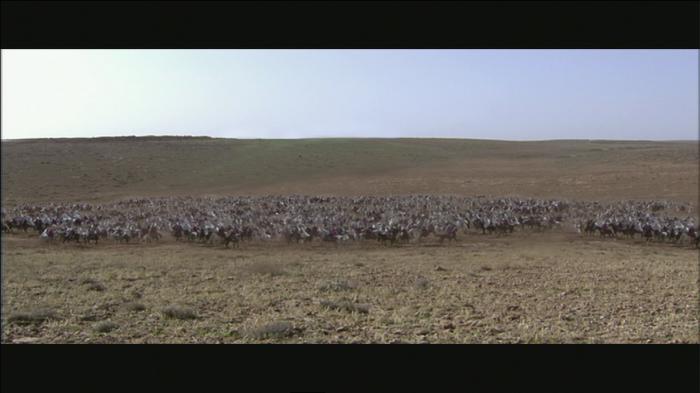
The End of Persian Resistance
8m
The Battle of Nahavand marks the final decisive defeat of the Sassanian state.
Garrison Cities
8m
New urban centres such as Kufa and Basra are established to support military and administrative needs.
Jerusalem
8m
The city capitulates peacefully and comes under Muslim rule, with protections extended to its inhabitants.
Governing New Lands
12m
Umar (RA) introduces systems of taxation, land management, and justice to govern vast multicultural territories.

Capture of Ctesiphon
13s
Muslim forces enter the Persian capital, seizing immense resources and signalling the empire’s collapse.
Al?Qadisiyyah
12m
A major battle near the Euphrates delivers a severe blow to Sassanian military strength.
Renewed Campaigns in Iraq
5m
With Syria largely secured, attention returns east as fighting intensifies against Persian armies.
The Fall of Damascus
6m
After negotiation and siege, Damascus comes under Muslim control, becoming a major administrative center.
The Battle of Yarmouk
5m
A decisive encounter against Byzantium reshapes the political future of Syria and weakens imperial authority permanently.
Pressure on Byzantium
6m
Muslim forces confront Byzantine armies in open battle, gradually overturning imperial control in the Levant.
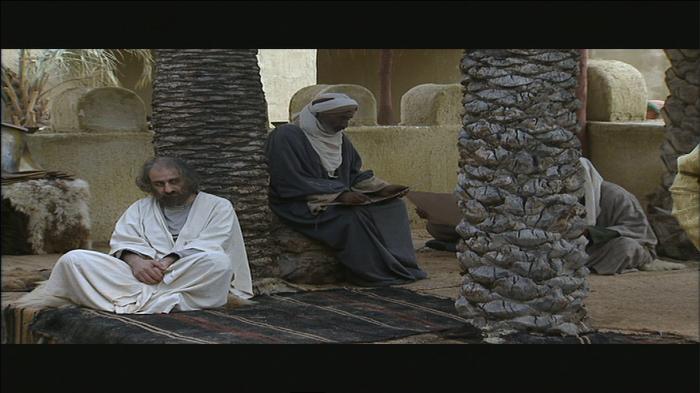
A New Caliphate
6m
ʿUmar assumes leadership, emphasizing discipline, accountability, and organized administration alongside continued expansion.
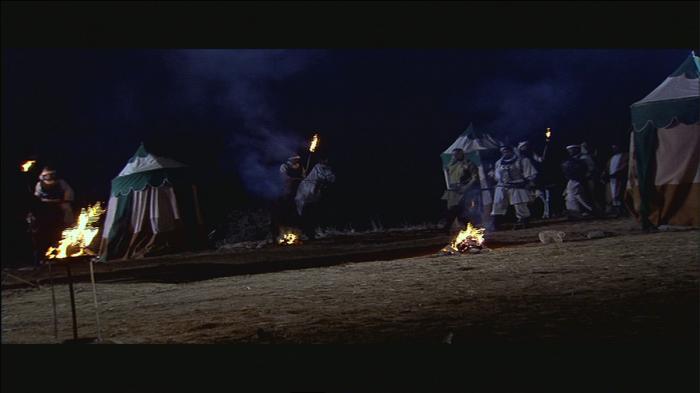
Abu?Bakr’s Final Days
6m
Before his death, Abu Bakr reinforces strategic priorities and appoints ʿUmar ibn al‑Khattab as his successor.
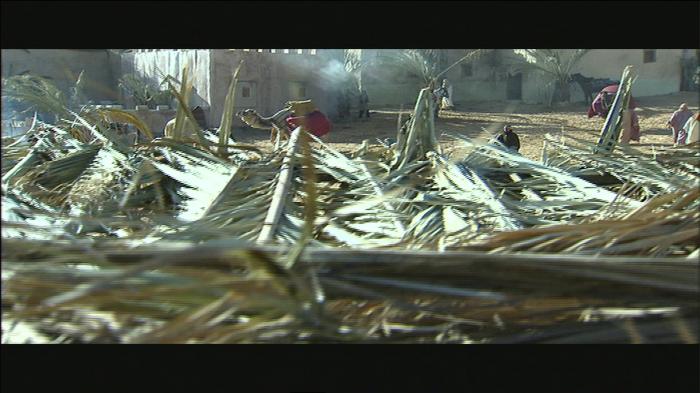
Strategy and Command
6m
Commanders coordinate movements across wide territories, adapting to desert, river, and urban battlefields.
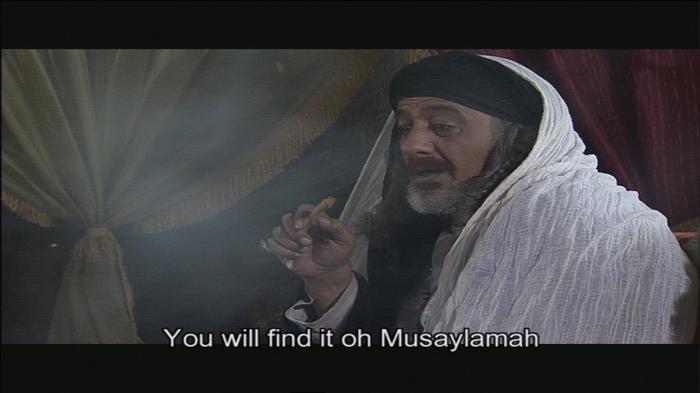
The Battle of Chains
11m
Early engagements in Iraq test military tactics and mark the beginning of prolonged conflict with Persia.
The Iraqi Frontier
11m
Along the Euphrates, Muslim armies clash with Persian frontier forces guarding the western edge of the Sassanian Empire.
First Steps into Syria
11m
Muslim forces advance into Byzantine‑controlled southern Syria, encountering fortified cities and experienced imperial troops.
Securing Arabia
11m
With internal challenges subdued, the caliphate stabilizes its authority and looks beyond the peninsula’s borders.
The Ridda Wars
11m
Several Arabian tribes break allegiance to Medina. Abu Bakr launches campaigns to restore political unity across Arabia.
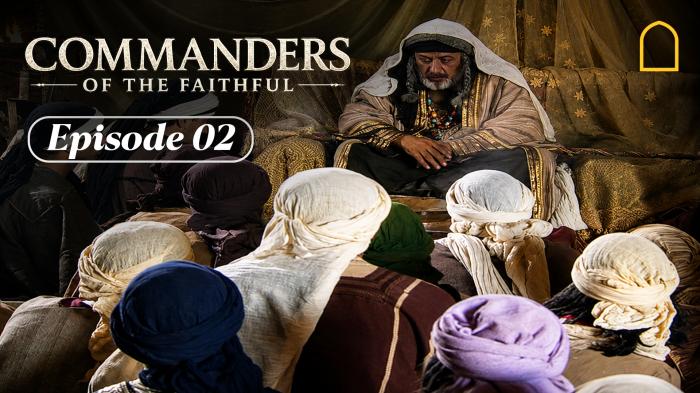
Choosing a Successor
11m
A consultation among leading companions results in the selection of Abu Bakr as caliph, setting a precedent for leadership and continuity.
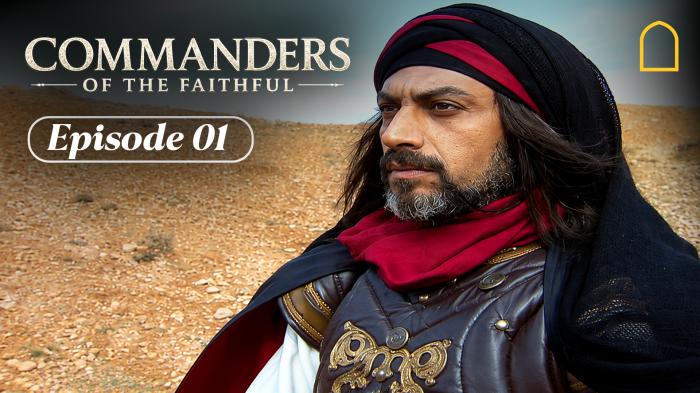
A Community at a Crossroads
11m
The death of Muhammad, the prophet of Allah, peace and blessing upon him, in 632 CE leaves the Muslim community facing grief, uncertainty, and urgent questions of leadership and unity amid external threats.

10 Questions About Salah
Mini series with Iqbal Nasim on the top 10 questions about Salah. Tune in to learn more and find out how to make the most of your prayer.

2024 African & Afro-Caribbean Muslim Awards
Join us for the third annual African and Afro-Caribbean Muslim Awards, featuring special performances from nasheed artist Khaleel Muhammad, and renowned comedian - Diesel.
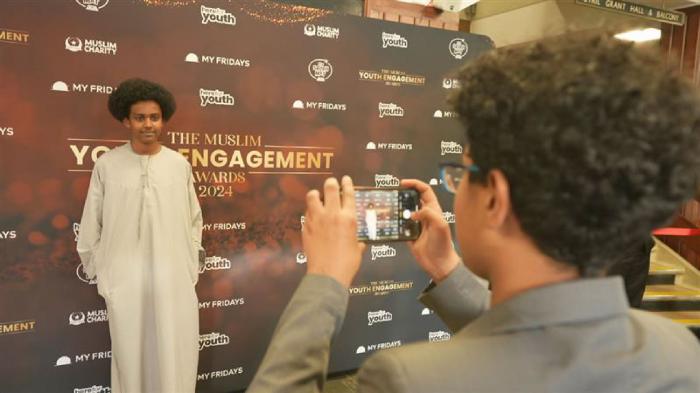
2024 HFY Muslim Youth Engagement Awards
Join us for this year's Here For Youth Muslim Youth Engagement Awards, as we celebrate and recognise the amazing work done by Muslim Youth organisations across the UK.

40 Hadiths of Al-Aqsa
Outlining the importance and significance of Masjid Al-Aqsa with the intention of fostering love, care for this blessed land and the third holiest site in Islam.

5 Pillar Pop Quiz
Increase your knowledge of Islam while having loads of fun with your family and friends. Join in this daily quiz and conquer all pillars through five levels of difficulty. Play along at home

5 Pillars Game Show
Quiz Show: Increase your knowledge of Islam while having loads of fun with your family and friends. Conquer all pillars at five difficulty levels. Play along at home, testing your knowledge on all things Islamic!

5 Pillars Hajj Special
The 5 Pillars Game Show: Hajj Edition puts teams of two to the ultimate test of knowledge and creativity around the Pillar of Hajj.

5 Pillars Made Plain
In this series, Sheikh Abdullah Oduro walks us through the who, what, when, where, and why of the five foundational pillars of Islam.

99 Names of Allah
Sheikhs from around the world talk about the 99 glorious names of Allah (SWT).

A look Back at 2021
We're closing out 2021 by looking back at the moments that inspired us and changed us in a year unlike any other.

A year in review: an ODE to 2022
As we wave farewell to Gregorian year 2022 and say hello to 2023, here's a look back at the last year.

Aadaab e Zindagi
An exclusive lecture series by renowned Islamic scholars about the Islamic way of life and its implications